Can a Projector Replace a Smart Board? A Modern Alternative for Classrooms and Offices

Interactive displays have become essential in modern classrooms and collaborative workplaces. For years, smart boards have been the standard tool for presentations, teaching, and meetings. However, advances in projection technology have introduced a powerful alternative: interactive smart projectors.

These projectors combine large-scale display capabilities with touch or stylus interaction, creating a flexible and cost-effective solution for modern environments.

But can a projector truly replace a smart board? Let’s explore the differences

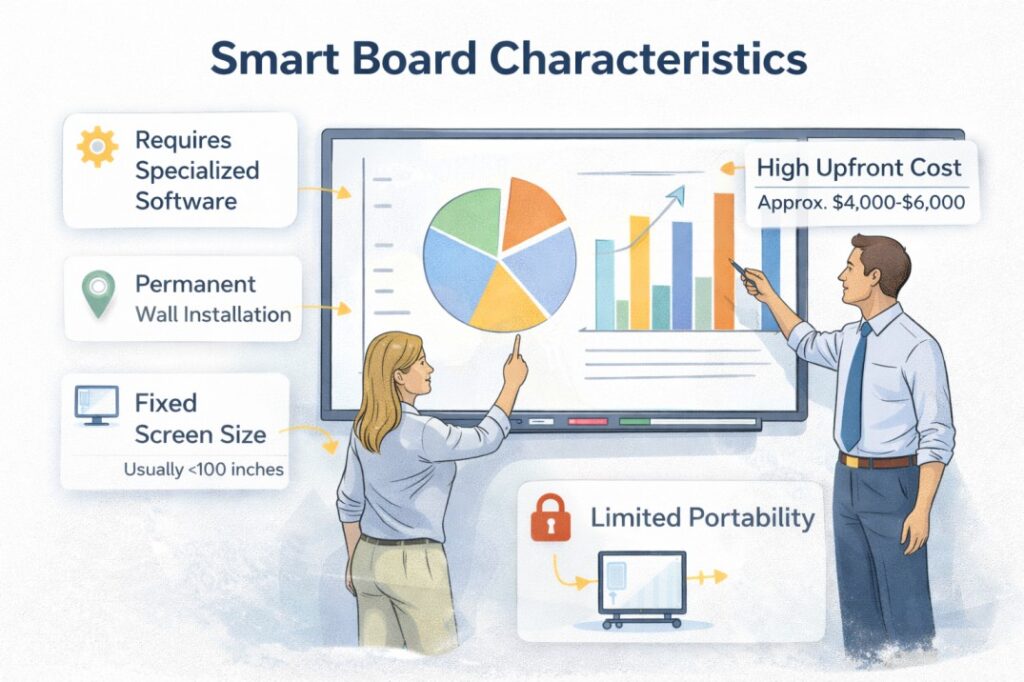
What Is a Smart Board?

A smart board is a large interactive display that allows users to control presentations, write notes, and interact with digital content directly on the screen.

• classrooms
• corporate meeting rooms
• training environments

Smart boards provide touch interaction and software tools that help teams collaborate and present information visually.

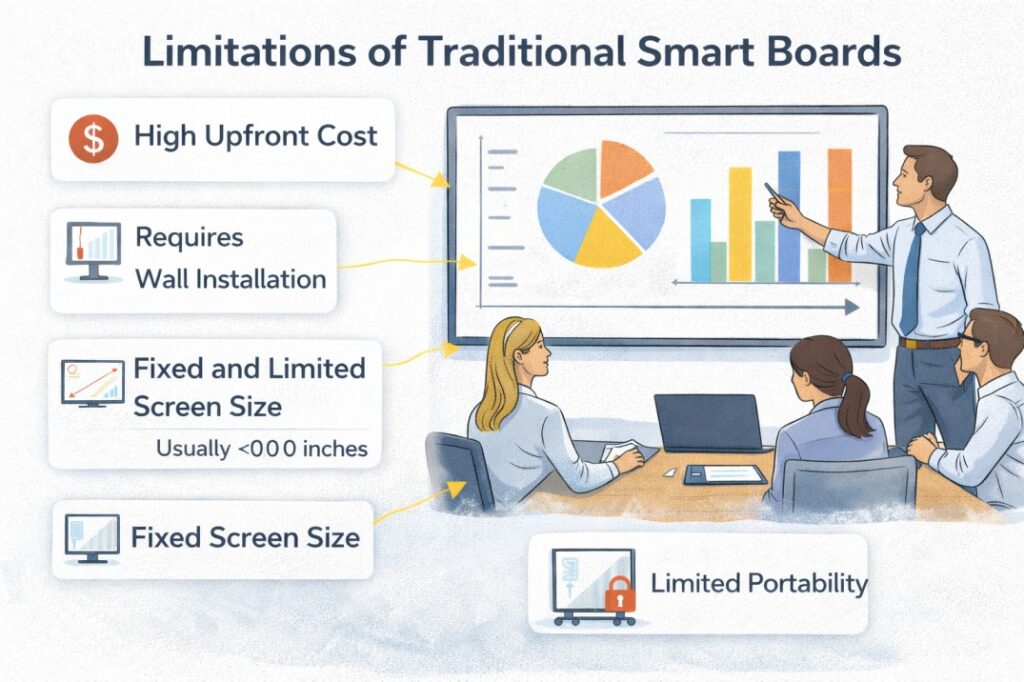
Limitations of Traditional Smart Boards

While smart boards offer strong collaboration features, they also come with several limitations:

• High upfront cost
• Fixed screen size
• Requires wall installation
• Limited portability

Because of these limitations, many organizations are exploring alternative solutions that offer more flexibility.

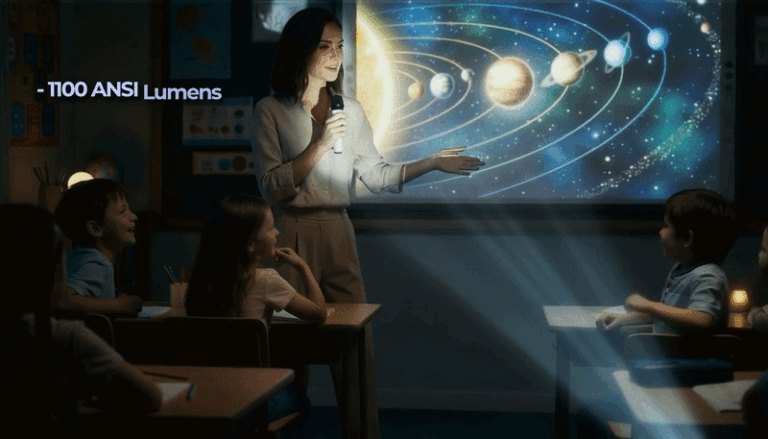
An interactive smart projector combines projection technology with interactive input, allowing users to write, draw, and control digital content using a stylus or touch.

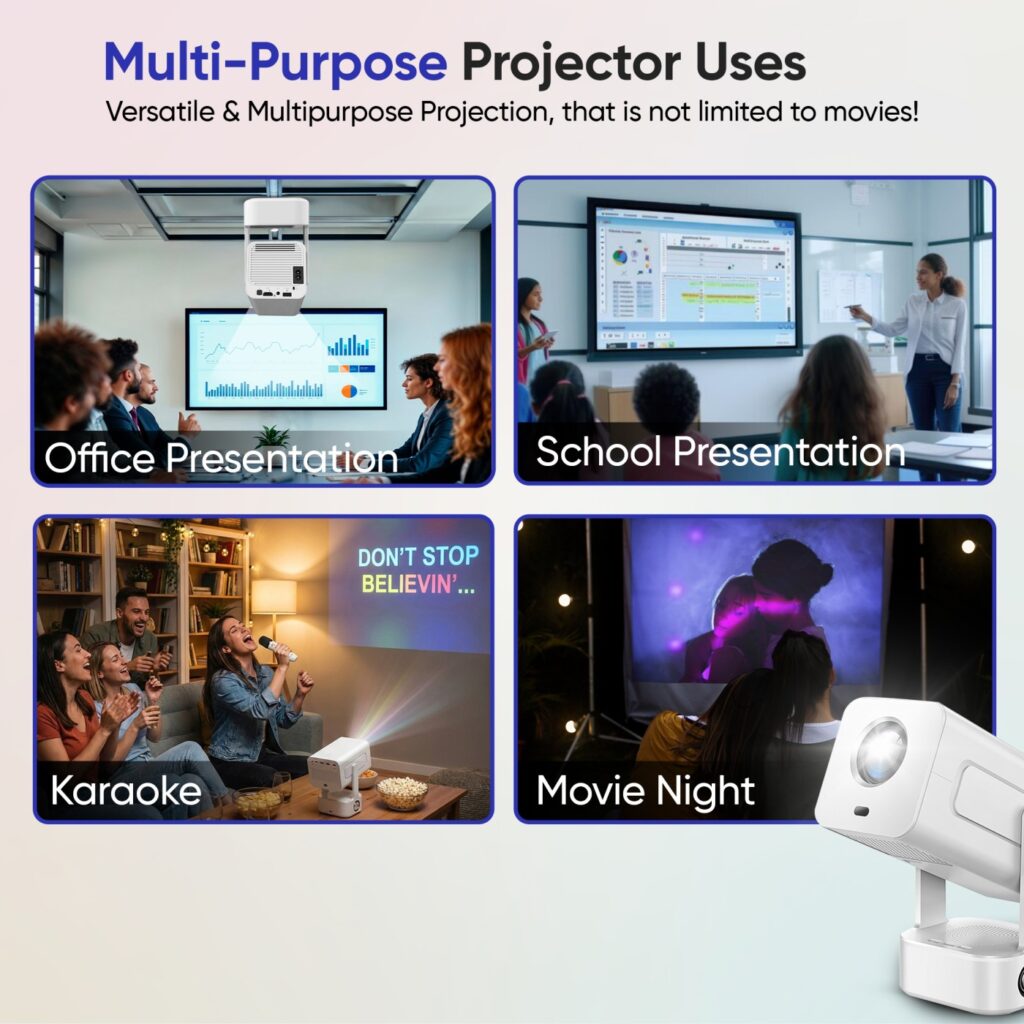
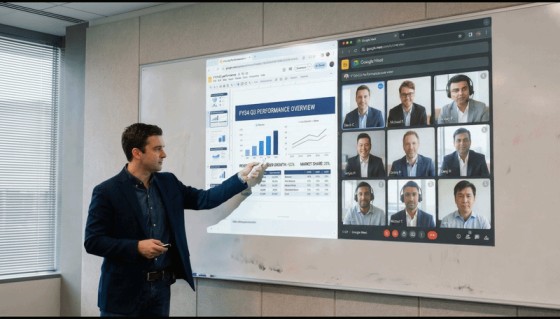
Unlike traditional displays, projectors can create large scalable screens on walls, whiteboards, or projection screens.

This makes them highly adaptable for different spaces.

Advantages of Interactive Projectors

Modern interactive projectors offer several advantages:

Larger display sizes

Projectors can easily produce screens over 100 inches, creating immersive presentations.

Flexible installation

They can be mounted on ceilings, placed on tables, or moved between rooms.

Cost efficiency

In many cases, interactive projectors provide similar functionality at a lower cost compared to large smart boards.

Space optimization

When not in use, the wall remains clean and uncluttered.

Ideal Use Cases

Interactive projectors work particularly well in:

• classrooms
• corporate offices
• training centers
• collaborative workspaces

Their flexibility allows organizations to adapt presentation environments without installing permanent displays.

Final Thoughts

Smart boards remain useful tools for interactive presentations, but advancements in projector technology have created compelling alternatives.

Interactive smart projectors provide large display sizes, flexible installation options, and collaborative functionality that can meet the needs of modern classrooms and workplaces.

For organizations looking for scalable and adaptable display solutions,

Modern interactive smart projectors are increasingly designed to replace traditional smart boards in many environments. interactive projection technology is becoming an increasingly popular choice.